
Poverty and Access to Justice
The RainmakerThe novel repeatedly shows how limited money, institutional complexity, and fear keep ordinary people from receiving remedies they are legally owed.
increasing Bearing strength in each event
 decreasing
Bearing strength in each eventdecreasingRudy’s Own Debts
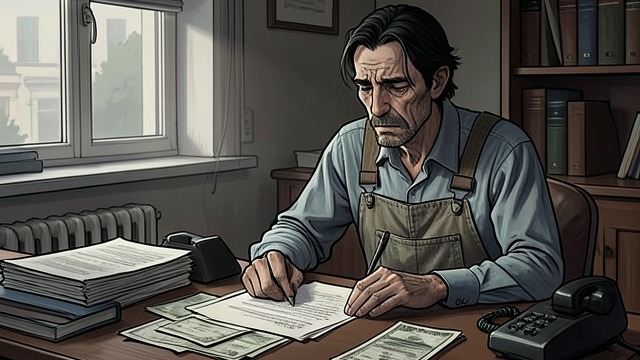
A Future Lawyer as Debtor
No Financial Cushion
Rudy has unpaid rent, consumer debt, and a car loan, despite nearing graduation. His credentials do not protect him from collection actions.
Experience from Below
His bankruptcy gives him direct knowledge of how legal procedures can offer relief while making a person publicly vulnerable. That experience later informs his attention to clients with few resources.
A Policy for the Poor
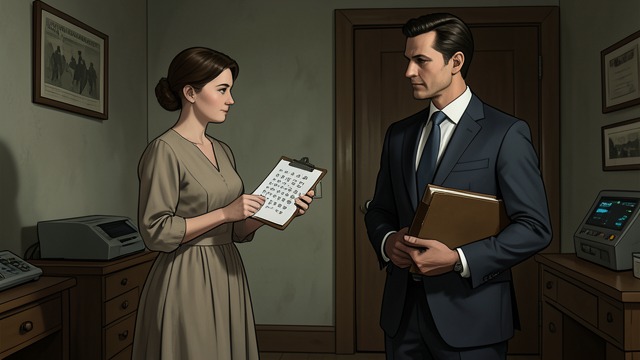
Insurance Sold Door to Door
Small Payments
The Black family pays weekly premiums for a low-cost policy. The small regular payments create a reasonable expectation of protection.
Unequal Knowledge
When the claim is denied, the insurer has trained staff and specialized counsel, while Dot must decipher dense terms alone. The imbalance makes the promise of coverage difficult to enforce.
A Claim Worth More Than the Family
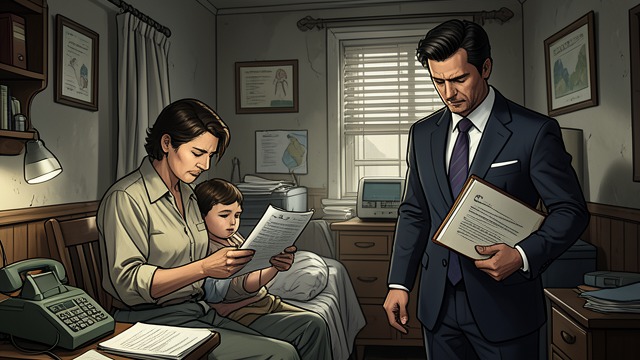
The Cost of Treatment
No Private Alternative
The transplant costs more than the family can pay, and the hospital cannot absorb the expense. Donny Ray’s eligibility under the policy is therefore essential.
Medical Need Becomes Legal Fact
The dispute is not abstract contract interpretation: a treatment that could save him is inaccessible. Financial exclusion becomes a direct threat to life.
A Rookie versus a Corporation
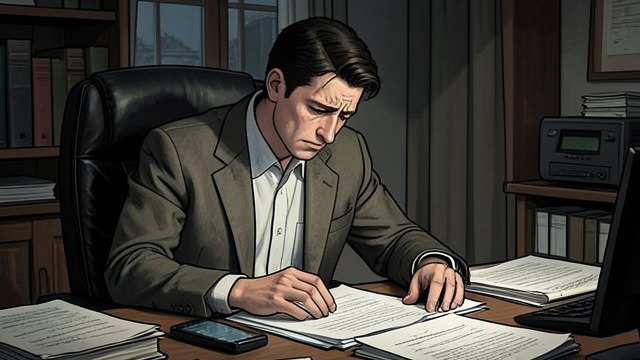
Unequal Legal Resources
Paper against Paper
Great Benefit’s lawyers produce long briefs, multiple motions, and extensive discovery responses. Rudy works with little staff, borrowed materials, and limited money.
Judicial Enforcement
Tyrone Kipler’s orders and sanctions partly counter the imbalance by enforcing access to documents and witnesses. The case depends on procedure as much as on the underlying facts.
A Verdict beyond the Bank
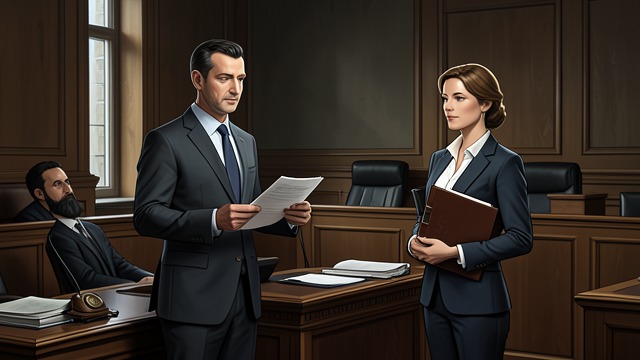
The Limits of a Judgment
Formal Victory
The jury awards damages large enough to punish the company if collected. The result appears to prove that civil litigation can give a poor family a voice.
Material Failure
The company’s insolvency blocks the expected recovery. The case exposes a further barrier: even a valid judgment may be useless when the defendant’s assets have been stripped away.
the night he receives his summonses
when Dot describes the weekly premiums
after the transplant is denied
from the first hearing through discovery
after Great Benefit files for bankruptcy
